WASHINGTON: Medicare-related scam calls targeting older Americans have surged sharply, turning what was once a source of connection into a source of daily anxiety for many seniors.
According to data from the Better Business Bureau, complaints about Medicare scam calls have risen 40% year-on-year, a trend reported by The New York Times. Experts say the spike is driven by personal data harvested and sold on the dark web, allowing scammers to sound increasingly legitimate.
Victims report receiving dozens of calls a day sometimes as many as 40 or 50 often starting early in the morning. The callers typically pose as Medicare representatives, healthcare providers, or insurance agents, urging recipients to “verify coverage,” confirm Medicare numbers, or avoid alleged disruptions to benefits.
While many view such scams as purely financial, experts warn that Medicare fraud can directly impact a senior’s medical care, not just their wallet.
How the Scam Works
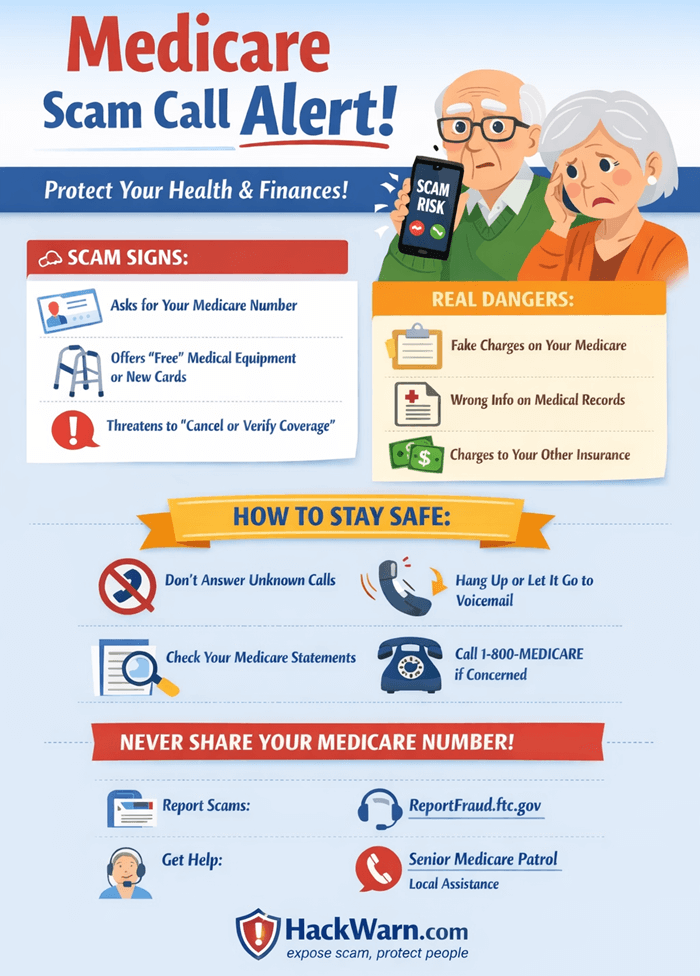
Scammers usually begin by confirming whether a senior has Medicare Parts A and B. They then offer supposed upgrades, Medicare Advantage plans, replacement cards, free medical equipment, or warn of coverage interruptions.
In reality, Medicare rarely makes unsolicited phone calls, and official notices are normally sent by mail.
However, scammers often already possess personal details such as names, addresses, ages, and in some cases Medicare or Social Security numbers, making the calls highly convincing.
Experts warn that even answering or pressing a button can signal that a phone number is active, leading to an escalation in scam attempts.
Why These Calls Are Dangerous
The greatest risk arises when scammers obtain a Medicare number. Fraudsters can submit claims for services never requested or received, including medical equipment, tests, or treatments.
In some cases, false claims have led to corrupted medical records, including incorrect diagnoses, allergy information, or fraudulent hospice enrolments potentially delaying or blocking legitimate care.
Secondary insurers may also be billed, leaving seniors unknowingly responsible for copayments or exhausting coverage limits.
Beyond financial and medical harm, the constant calls have taken a psychological toll, with some seniors silencing phones, unplugging landlines, or missing legitimate calls from doctors and family members.
Experts note that the risk intensifies during Medicare open enrollment from Oct 15 to Dec 7, though scam activity continues year-round.
How to Reduce the Risk
Authorities advise seniors and caregivers to take preventive steps, including:
- Avoid answering unknown numbers
- Register phone numbers with the Do Not Call Registry
- Use call-blocking and scam-filtering tools offered by carriers
- Review Medicare statements for unfamiliar charges
- Create a Medicare.gov account to monitor claims
Anyone who suspects their information has been compromised should contact Medicare immediately, report the incident to the Federal Trade Commission, and seek assistance from their local Senior Medicare Patrol.
If you believe you have shared your personal or Medicare information:
- Contact Medicare immediately by calling 1-800-MEDICARE to report the issue.
- File a fraud report with the Federal Trade Commission (FTC) at ReportFraud.ftc.gov.
- Get help from your local Senior Medicare Patrol, which can assist in identifying fraudulent claims and correcting your records.
- Review all Medicare and insurance statements carefully over the next few months for any unfamiliar charges or services.
Source: Yahoo Finance
HackWarn Analysis
Why this scam is especially dangerous
Medicare scams go beyond financial loss. By stealing Medicare numbers, scammers can manipulate medical records, submit fraudulent claims, and disrupt legitimate healthcare access.
The combination of stolen personal data and authority impersonation makes these scams highly effective against older adults.
What the public should do now
Never engage with unsolicited healthcare calls, verify coverage changes directly through official channels, and monitor medical statements regularly.
Early detection and reporting can prevent long-term damage to both health coverage and medical records.